
By Engi | Chemical Engineer, BS | Engineering Manager
Last Updated: February 5, 2026
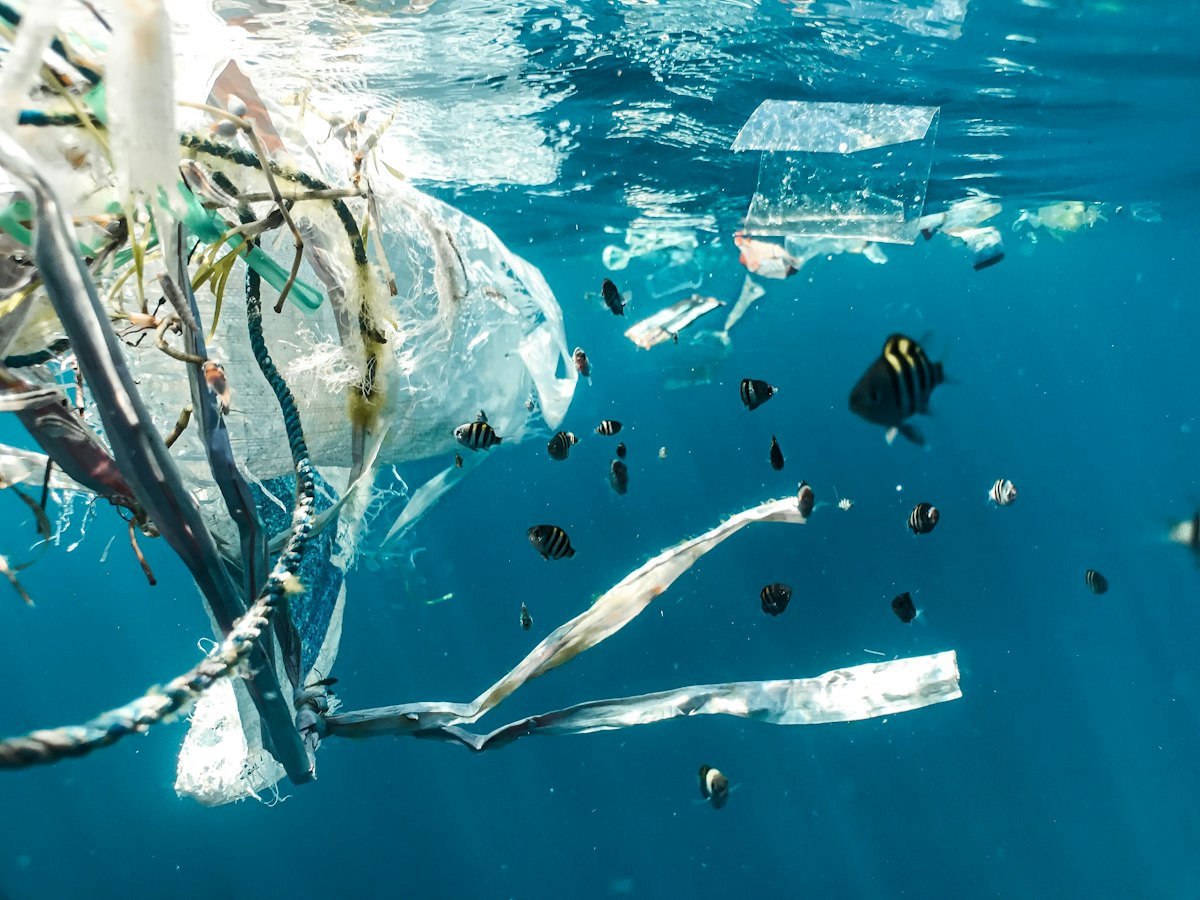
Here’s something unsettling: you’re probably eating a credit card’s worth of plastic every week. Learn more at EPA.
No, I’m not being dramatic. Research suggests the average person ingests about 5 grams of microplastics weekly – roughly the weight of a credit card. These tiny plastic particles are in your water, your food, even the air you breathe. And unlike that expired credit card in your wallet, you can’t just cut these up and throw them away.
Let’s talk about what microplastics actually are, where they come from, and why you should care (but not panic).
What Are Microplastics, Really?
Microplastics are exactly what they sound like: tiny pieces of plastic smaller than 5 millimeters. To give you perspective, that’s about the size of a sesame seed or smaller.
But here’s where it gets interesting – not all microplastics are created equal.
Primary Microplastics: The Ones We Make on Purpose
Some microplastics are intentionally manufactured to be small. These include:
Microbeads in cosmetics – Remember those face scrubs with tiny beads? Those were plastic. Many countries have banned them now, but millions of tons still float in our oceans.
Synthetic fibers from your clothes – Every time you wash that fleece jacket or yoga pants, thousands of tiny plastic fibers break off and head down the drain. In fact, synthetic clothing accounts for about 35% of primary microplastics in the ocean.
Tire dust – This one surprises people. When you drive, your tires wear down and release tiny rubber particles (which are essentially plastic). This accounts for roughly 28% of ocean microplastics. Yes, your daily commute is literally shedding plastic onto the roads.
Secondary Microplastics: The Breakdown Products
Most microplastics (about 70-80%) come from larger plastic items breaking down over time. That plastic water bottle thrown in the ocean? It doesn’t just disappear. It breaks down into smaller and smaller pieces over decades.
The problem is, plastic doesn’t biodegrade like organic matter. It just keeps breaking into tinier and tinier pieces, potentially forever.

Where You’re Actually Encountering Microplastics
Scientists have found microplastics in places that would shock you:
Your drinking water – Both tap and bottled water contain microplastics. The irony? Bottled water often contains more microplastics than tap water because of the plastic bottle itself.
Seafood – Fish and shellfish eat microplastics, mistaking them for food. When you eat seafood, you’re consuming those plastics too. Shellfish are particularly problematic because you eat the whole animal, including its digestive system.
Table salt – Yes, even salt. Sea salt especially, since it comes from ocean water that’s contaminated with microplastics.
Beer and honey – These have tested positive for microplastics too. Nothing is sacred.
The air in your home – Microplastics from synthetic carpets, furniture, and clothing are floating in your indoor air right now. You’re breathing them in.
Should You Be Worried About Your Health?
Here’s the honest answer: we don’t really know yet.
Scientists have confirmed that microplastics are in our bodies – they’ve been found in human blood, lungs, and yes, even stool. But what they’re doing to us is still unclear.
The concern isn’t just the plastic itself, but what comes with it:
Chemical Additives
Plastics aren’t pure. They contain additives like:
- Phthalates – Used to make plastic flexible, linked to hormone disruption
- Bisphenol A (BPA) – Famous for being problematic in baby bottles
- Flame retardants – Can accumulate in your body over time
- Heavy metal stabilizers – Used in PVC and other plastics
These chemicals can leach out of the plastic particles inside your body. That’s where the real concern lies.
What Research Shows So Far
Early studies suggest potential links to:
- Inflammation in the gut and lungs
- Disruption of hormone systems
- Potential impacts on reproductive health
- Possible effects on the immune system
But – and this is important – most of these studies are preliminary. We need more long-term research to understand the real health impacts.
Understanding Different Types of Plastic
Not all plastics are equally problematic. Let’s break down what you actually need to know:
The Common Plastics
Polyethylene (PE) – Used in grocery bags and milk bottles. Relatively stable and considered safer for food contact.
Polypropylene (PP) – Your food containers and yogurt cups. Generally considered the safest plastic for food storage. High heat tolerance.
PET/PETE – Water bottles and soda bottles. Safe for single use, but don’t reuse these – they degrade and can leach chemicals.
PVC – Pipes, vinyl flooring, some cling wrap. This one’s problematic – contains plasticizers that can leach out. Avoid for food contact.
Polystyrene (PS) – Foam coffee cups and takeout containers. Can leach styrene, especially when heated. Try to avoid.
Food-Grade vs. Everything Else
Food-grade plastics have to meet strict safety standards. They’re tested to ensure they don’t leach harmful chemicals into your food. Look for these plastics:
- HDPE (High-Density Polyethylene) – #2 plastic
- PP (Polypropylene) – #5 plastic
- LDPE (Low-Density Polyethylene) – #4 plastic
Non-food-grade plastics might contain higher levels of additives or contaminants. That’s why you shouldn’t use random plastic containers for food storage.
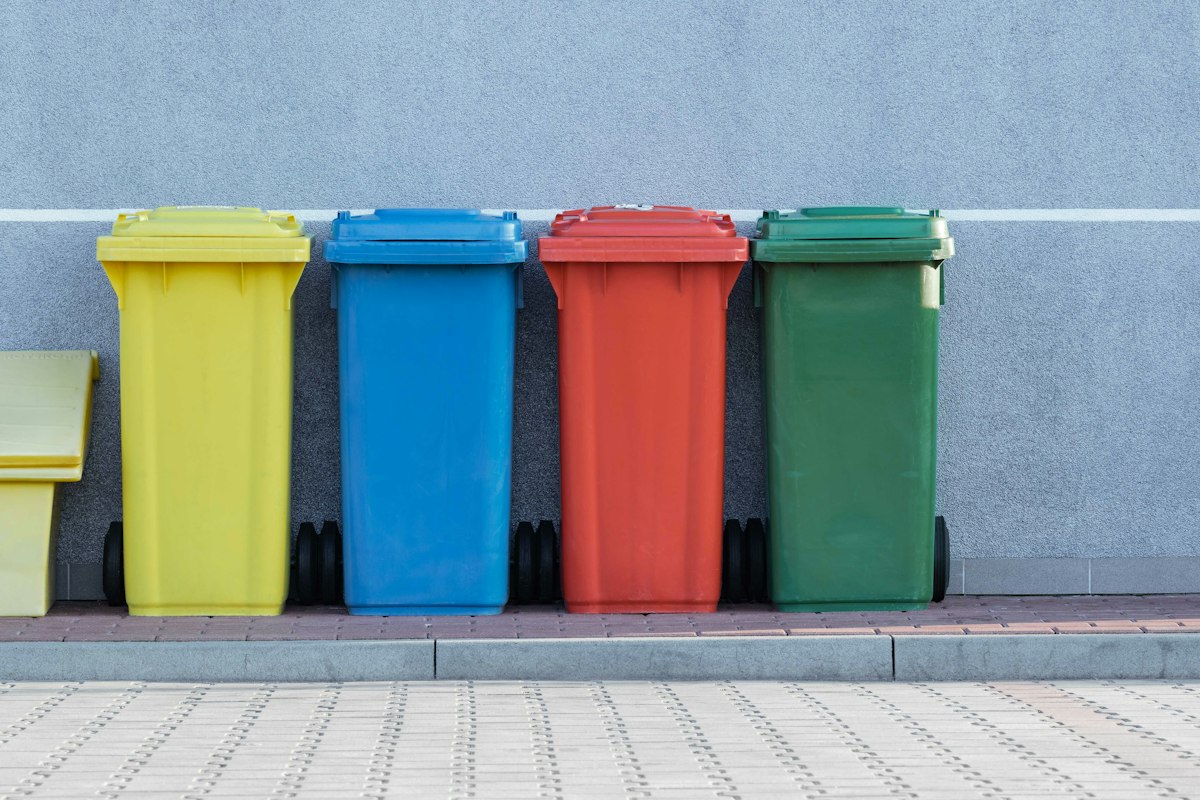
What You Can Actually Do About It
You can’t eliminate microplastics from your life completely, but you can reduce your exposure and contribution to the problem:
In Your Kitchen
- Switch to glass or stainless steel containers for food storage
- Use a water filter – Many can filter out microplastics
- Don’t microwave plastic containers – Heat increases chemical leaching
- Avoid reusing single-use plastic bottles
- Choose loose tea over tea bags – Some tea bags release billions of microplastic particles when steeped
With Your Laundry
- Wash synthetic clothes less frequently (when appropriate)
- Use a microfiber-catching laundry bag – These can trap 99% of fibers
- Choose natural fabrics when possible – cotton, wool, linen
- Wash in cold water – Releases fewer fibers than hot water
In Your Daily Life
- Bring reusable bags – Not just for groceries, but for everything
- Choose products without microbeads – Check ingredient lists for “polyethylene” or “polypropylene”
- Vacuum regularly – Reduces airborne microplastics in your home
- Support brands using sustainable packaging
Frequently Asked Questions
Can your body get rid of microplastics?
Partially. Larger microplastics can pass through your digestive system. But smaller particles (nanoplastics) can cross into your bloodstream and tissues. We don’t fully understand how or if your body eliminates these yet.
Are microplastics in all water sources?
Unfortunately, yes. They’ve been found in groundwater, rivers, lakes, and oceans worldwide. Even rainwater contains microplastics now. Some water treatment plants can filter them out, but not all systems are equipped for this.
Is plastic-free living possible?
Completely plastic-free? Nearly impossible in modern society. But you can dramatically reduce your plastic consumption and exposure. Every small change helps – both for your health and the environment.
Are biodegradable plastics better?
It depends. Many “biodegradable” plastics only break down under specific industrial composting conditions. In the ocean or landfill, they act just like regular plastic. Some are better than others – do your research on specific products.
What about recycling – does it help?
Recycling helps reduce new plastic production, but it’s not a perfect solution. Many plastics can only be recycled once or twice before the quality degrades too much. Plus, the recycling process itself can release microplastics. The better approach: reduce plastic use in the first place.
The Bigger Picture
Here’s what frustrates me about the microplastics conversation: it often puts all the burden on individual consumers to fix a problem created by massive industrial production.
Yes, your personal choices matter. But real change requires:
- Better regulations on plastic production and additives
- Industry accountability for plastic waste
- Improved waste management systems globally
- Investment in alternative materials research
- Updated water treatment infrastructure to filter microplastics
Individual action and systemic change both matter. Don’t let perfect be the enemy of good.
What We Still Need to Learn
Scientists are racing to understand:
- Long-term health effects of microplastic exposure
- How microplastics interact with our gut microbiome
- Whether they can cross the blood-brain barrier
- If they affect pregnancy and fetal development
- How to effectively remove them from water systems
- Whether different types of plastic pose different risks
This is ongoing research, and new findings emerge regularly. The science is still catching up to the scale of the problem.
The Bottom Line
Microplastics are everywhere, and that’s concerning. We’re all part of an unintended experiment, and we don’t yet know the full consequences.
But here’s what I want you to take away: awareness without action leads to anxiety. Focus on what you can control – reduce your plastic consumption, make smarter choices about food storage and clothing, and advocate for better policies.
The microplastics already in the environment won’t disappear overnight. But we can stop making the problem worse. Every plastic water bottle you don’t buy, every synthetic fleece jacket you choose not to purchase, every reusable container you use – it all adds up.
This isn’t about achieving perfection. It’s about making progress, one small decision at a time.
What changes have you made to reduce plastic in your life? What’s been surprisingly easy or surprisingly difficult? Share your experiences in the comments – we can learn from each other.
Related Guides:
- Complete Desk Setup for Engineers and Developers (2026): Standing Desks, Chairs, Monitor Arms
- Essential Tools for Engineering Students: Complete Guide with Links (2025 Guide)
- Why Smaller AI Models Are Actually Better: The Rise of Efficient AI in 2026
About the Author
Adam engineering professional with 12 years of multi-disciplinary experience.
This guide was written by an engineer with hands-on experience across chemical, mechanical, electrical, and software engineering disciplines. Currently serving as an Engineering Manager leading technical teams.
Professional background:
- Bachelor of Science, Chemical Engineering
- 12 years industry experience: pharmaceutical development, battery technology, process engineering
- Cross-disciplinary expertise: mechanical, electrical, software, simulation, AI/ML
- Engineering management: team leadership, vendor evaluation, project execution
Content classification:
- ⭐ Own & Use – Personally owned, 6+ months testing
- 💼 Professional Experience – Used extensively in engineering work
- 📊 Engineering Analysis – Thorough technical evaluation