
By Engi | Chemical Engineer, BS | Engineering Manager
Last Updated: February 5, 2026
Note: This post contains affiliate links (disclaimer).
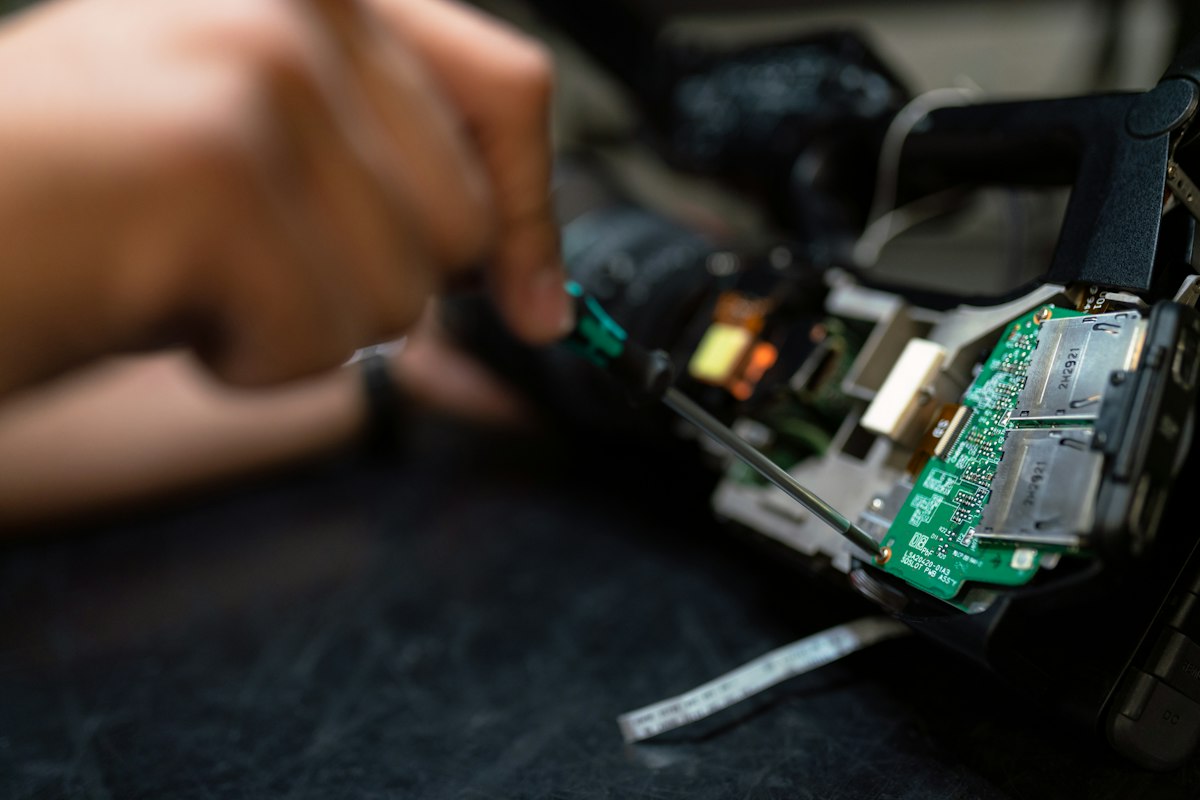
The best way to create an engineer isn’t through textbooks—it’s through projects that make their eyes light up when something actually works. That moment when the LED finally blinks, the robot moves forward, or the chemical reaction fizzes exactly as expected? That’s when a kid transforms from “I have to do this homework” to “I want to build everything.” See Code.org for details.
This guide covers project-based gifts for young engineers (ages 8-18) across programming, mechanical, electrical, and chemical engineering. These aren’t toys that end up in the closet after a week—these are hands-on kits and projects that teach real engineering concepts while being genuinely fun to build.
We’ve organized projects by age range and difficulty, covering everything from $15 beginner circuits to $200 advanced robotics kits. Whether they’re just discovering STEM or already building impressive projects, there’s something here that’ll challenge and excite them.
–
Programming Projects
Programming projects for kids should be visual, interactive, and rewarding quickly. Nothing kills interest faster than syntax errors and blank screens.
Ages 8-12: Introduction to Coding
Osmo Coding Starter Kit ($60-80)
Physical coding blocks that control on-screen characters. Kids arrange tangible blocks to program actions, making abstract concepts concrete. Works with iPad/Fire tablet. Perfect for visual learners who aren’t ready for keyboard-based coding yet.
LEGO Boost Creative Toolbox ($120-160)
Build robots, cats, guitars, and machines, then program them with visual coding. Combines LEGO building with app-based programming. Makes 5 different models. Kids learn loops, conditionals, and sequences without realizing they’re learning programming concepts.
Sphero BOLT Programmable Robot ($100-150)
Programmable robot ball with LED matrix display, sensors, and infrared communication. Code with block-based or JavaScript. Draw paths, create games, program light shows. Waterproof and durable enough to survive enthusiastic testing.
Ages 13-15: Real Programming Languages
Raspberry Pi 400 Computer Kit ($80-100)
Complete computer built into a keyboard. Includes mouse, power supply, SD card with projects, and beginner’s guide. Learn Python, create games, build electronics projects. Full Linux computer for under $100. This is a real development environment, not a toy.
micro:bit Go Bundle ($20-30)
Pocket-sized microcontroller with LED display, buttons, sensors, and Bluetooth. Program in blocks or Python. Create wearable tech, games, instruments. Inexpensive enough to experiment fearlessly. Great stepping stone to Arduino.
Arduino Starter Kit (Official) ($80-100)
Complete Arduino introduction with 15 projects: light theremin, mood cue, motorized pinwheel, color mixing lamp, and more. Includes Arduino Uno board, breadboard, components, and project book. Learn real embedded programming with immediate physical results.
Ages 16-18: Advanced Development
Raspberry Pi 4 (8GB) Complete Kit ($120-150)
Powerful enough for real development work. Build web servers, home automation, retro gaming systems, learning platforms. Includes case, power supply, SD card, and heatsinks. This isn’t just educational—it’s actually useful.
ESP32 Development Kit with Camera ($40-60)
WiFi and Bluetooth microcontroller with camera module. Build IoT projects, security cameras, computer vision experiments. Program in Arduino IDE or MicroPython. Real-world applicable skills for college engineering programs.
NVIDIA Jetson Nano Developer Kit ($100-150)
GPU-accelerated computer for AI and robotics projects. Run neural networks, computer vision, autonomous robots. This is college-level hardware at high school prices. Perfect for students serious about AI/ML.
Mechanical Engineering Projects
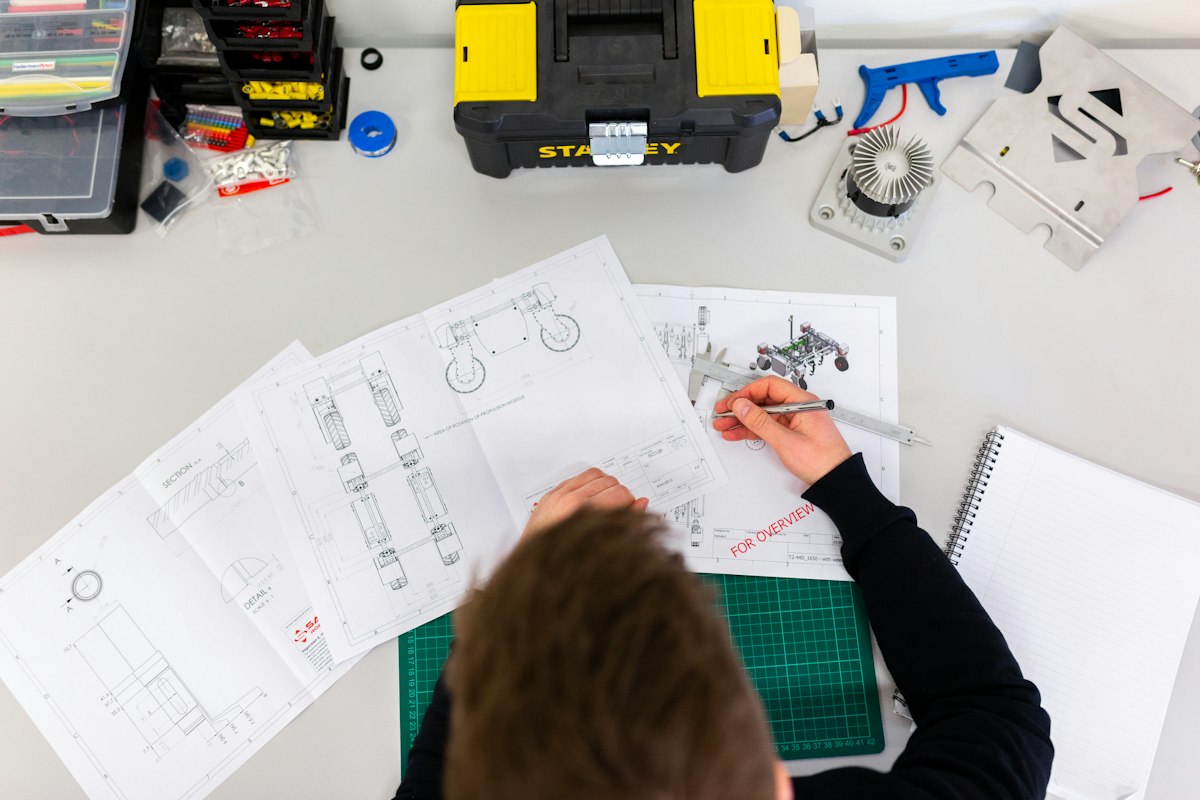
Mechanical projects teach spatial reasoning, problem-solving, and how things actually work. There’s something deeply satisfying about building a machine that does exactly what you designed it to do.
Ages 8-12: Building Fundamentals
LEGO Technic Sets ($50-400)
Advanced LEGO with gears, axles, pneumatics, and motors. Learn mechanical advantage, gear ratios, structural engineering. Start with simpler sets like the Off-Roader ($50-80), progress to complex models like the Bugatti Chiron ($350-400) with working transmission and engine.
K’NEX Education STEM Kits ($40-80)
Build machines demonstrating simple machines, gears, pulleys, and levers. Teacher-designed curriculum included. More flexible than LEGO for certain mechanisms. Excellent for understanding mechanical advantage and force multiplication.
Engino Discovering STEM Mechanics Kits ($30-60)
Educational construction kits focusing on specific engineering concepts: levers, gears, pulleys, inclined planes. Each kit includes experiment guide and theory booklet. Builds 8-16 models per kit. European quality, excellent instructions.
Ages 13-15: Moving to Real Materials
Meccano Erector Sets ($80-150)
Metal construction sets with motors and real tools. Build cranes, vehicles, moving machines. Uses nuts, bolts, and metal parts—teaching real assembly skills. The advanced sets (25+ models) provide hundreds of hours of building.
VEX Robotics Competition Kits ($300-500)
Competition-grade robotics platform. Metal construction, motors, sensors, programmable brain. This is what high school robotics competitions use. Design, build, and program real competition robots. Expensive but incredibly comprehensive.
3D Printing Pen ($40-80)
Draw in 3D space with melted plastic. Create custom parts, repair projects, prototype designs. Not a toy—this teaches additive manufacturing concepts hands-on. Great complement to CAD software learning.
Ages 16-18: Professional-Level Tools
Entry-Level 3D Printer ($200-300)
Create actual functional parts. Design in CAD software, print overnight. Learn manufacturing, prototyping, iteration. The Creality Ender 3 series offers incredible value. This is a real engineering tool that pays for itself.
RC Car Build Kit ($100-200)
Build a radio-controlled car from components. Learn drivetrain, suspension, steering geometry. Not a pre-assembled toy—this teaches automotive engineering fundamentals. Upgrade and modify after initial build.
Mini CNC Engraver ($150-250)
Desktop CNC machine for wood, plastic, and soft metals. Learn CAM programming, toolpaths, manufacturing. Create PCBs, engrave designs, make custom parts. Entry point to subtractive manufacturing.
Electrical Engineering Projects
Electrical projects provide immediate feedback—lights turn on, motors spin, circuits work (or release magic smoke). Start simple, build complexity gradually.
Ages 8-12: Circuit Basics
Snap Circuits Classic Kit ($40-60)
Build 300+ projects with snap-together components. No soldering required. Create radios, alarms, doorbells, logic gates. Color-coded parts make circuit reading intuitive. This is how many electrical engineers got started.
Thames & Kosmos Electronics Learning Lab ($60-80)
Build circuits on a grid board with spring connections. No soldering, reusable components. Includes comprehensive instruction manual explaining theory. Build AM radios, burglar alarms, light sensors, and logic circuits.
littleBits Electronics Kits ($50-150)
Magnetic electronic modules that snap together. Create inventions without circuit knowledge initially, then learn underlying principles. Multiple themed kits: robotics, smart home, music. Excellent bridge between play and learning.
Ages 13-15: Real Circuits and Soldering
Electronics Soldering Project Kits ($15-40 each)
Build actual circuits: FM radios, metal detectors, LED cubes, amplifiers. Learn soldering properly with real projects. Start with simple kits (LED flasher – $15), progress to complex (FM radio receiver – $40). Include instruction manuals explaining how circuits work.
Breadboard Electronics Component Kit ($30-50)
Comprehensive kit with resistors, capacitors, LEDs, transistors, ICs, breadboards, jumper wires. Everything needed for circuit prototyping. Design and test circuits before committing to solder. Essential for Arduino projects.
Beginner Oscilloscope ($80-150)
See electricity! Visualize voltages, frequencies, waveforms. Debug circuits properly instead of guessing. Portable USB oscilloscopes offer incredible value. This tool transforms troubleshooting from mystery to science.
Ages 16-18: Advanced Electronics
Quality Digital Multimeter ($40-80)
Measure voltage, current, resistance, continuity, frequency. Auto-ranging eliminates guesswork. True RMS for accurate AC measurements. Essential tool for any electronics work. This isn’t a project itself—it makes all other projects possible.
PCB Design and Fabrication Kit ($60-100)
Design circuit boards, etch them at home or order professionally. Learn PCB layout, trace routing, component placement. Create permanent circuits. This is what hobbyists do before becoming professionals.
Function Generator ($50-120)
Generate test signals: sine, square, triangle waves at various frequencies. Test audio circuits, filters, amplifiers. Combined with oscilloscope, creates complete test bench. Understand frequency response experimentally.

Chemical Engineering Projects
Chemistry kits have gotten safer and more educational. Modern sets teach real chemistry without dangerous materials, preparing students for serious lab work.
Ages 8-12: Safe Introduction to Chemistry
Thames & Kosmos CHEM C500 ($30-45)
28 chemistry experiments with safe, high-quality equipment. Learn pH, reactions, chromatography, electrochemistry. Includes real lab glassware. Full-color experiment manual explains theory. Age-appropriate introduction to laboratory techniques.
Crystal Growing Science Kit ($20-35)
Grow stunning crystals in various colors and shapes. Learn supersaturation, nucleation, crystal lattices. Results are beautiful and educational. Multiple experiments possible with refill chemicals available.
Steve Spangler Science Kits ($25-60)
Engaging chemistry demonstrations and experiments. Topics include polymers, acids/bases, chemical reactions, states of matter. Designed by science educator. Makes chemistry exciting without being dangerous.
Ages 13-15: Real Laboratory Skills
Thames & Kosmos CHEM C3000 ($120-180)
333 chemistry experiments spanning three years of high school chemistry. Professional lab equipment, comprehensive curriculum. Topics: chemical reactions, electrochemistry, organic chemistry, biochemistry, environmental science. This is serious chemistry education.
Home Chemistry Lab Equipment Set ($50-100)
Build a basic home lab: beakers, flasks, test tubes, burner, stirring rod, graduated cylinders. Quality glass equipment. Purchase chemicals separately for specific experiments. Learn proper lab technique.
Digital pH Meter ($20-50)
Measure acidity precisely. Test water, soil, household chemicals. Calibrate with buffer solutions. Learn about pH scale quantitatively instead of just with litmus paper. Essential for acid-base experiments.
Ages 16-18: Advanced Chemistry
Organic Chemistry Molecular Model Kit ($25-45)
Build 3D molecules to understand stereochemistry, bonding, molecular geometry. Essential for organic chemistry students. Physical models make spatial relationships clear. Large kits (250+ pieces) allow complex molecules.
Distillation Apparatus ($60-120)
Separate mixtures by boiling point. Purify water, extract essential oils, demonstrate fractional distillation. Learn separation techniques used in industry. Quality glassware lasts through multiple experiments.
Compound Microscope ($100-200)
While typically biological, essential for chemistry too. Examine crystals, precipitates, chemical reactions at microscopic level. 1000x magnification with LED illumination. Bridges chemistry and materials science.
Multi-Disciplinary Engineering Kits
Some projects combine multiple engineering disciplines, teaching how different fields integrate in real engineering work.
For All Ages
DIY Robot Car Kits ($30-80)
Combines mechanical assembly, electronics, and programming. Build chassis, wire motors and sensors, program navigation. Multiple complexity levels available. Great progression: start with line-following, advance to obstacle avoidance, eventually autonomous mapping.
Engineering Design Challenge Kits ($40-100)
Open-ended building challenges: build a bridge to hold weight, design a catapult for distance, create a water filtration system. Learn engineering design process: define problem, brainstorm, prototype, test, iterate. Includes materials and challenge guides.
Makeblock mBot Robot Kit ($60-100)
Build and program robots using Scratch-based or Arduino programming. Metal construction, multiple sensors, expandable with add-ons. Follows from beginner block coding to text-based programming. Excellent value for complete robotics platform.
Books and Learning Resources
Pair hands-on projects with books that explain the underlying principles. Theory + practice = deep understanding.
Programming Books
- “Python for Kids” by Jason Briggs – Visual, fun introduction to programming
- “Coding Games in Scratch” by DK – Create actual games while learning
- “Arduino Project Handbook” – 25 practical projects with code
Engineering Books
- “Awesome Engineering Activities for Kids” – 50+ projects across disciplines
- “The Way Things Work Now” by David Macaulay – Beautifully illustrated mechanics
- “Maker Lab: 28 Super Cool Projects” by DK – Clear instructions, real science
Electronics Books
- “Make: Electronics” by Charles Platt – Learn by doing (and burning components)
- “Electronics for Kids” by Øyvind Nydal Dahl – Age-appropriate introduction
Safety Equipment
Engineering projects require proper safety equipment. Don’t skip this—make it part of the gift.
- Safety Glasses (ANSI Z87.1) ($10-20) – Required for any project with flying debris
- Anti-Static Wrist Strap ($8-15) – Protects electronics from static damage
- Chemical Splash Goggles ($10-25) – For chemistry experiments
- Nitrile Gloves ($10-20/box) – Chemical protection, prevents contamination
- Small Fire Extinguisher (ABC rated) ($20-40) – For workspace safety
Organization and Storage
Projects generate components. Organization prevents lost parts and frustration.
- Component Storage Organizer ($20-40) – Drawers for resistors, LEDs, hardware
- Tool Storage Box ($30-60) – Keep all project tools together
- Label Maker ($20-40) – Label everything, find things later
- Project Storage Bins ($15-30) – Store works-in-progress safely
Subscription Boxes
Monthly project delivery maintains engagement long-term.
- KiwiCo Subscriptions ($20-40/month) – Age-appropriate engineering projects delivered monthly. Different lines for different ages: Koala Crate (3-4), Kiwi Crate (5-8), Tinker Crate (9-16+), Eureka Crate (14-104)
- Creation Crate ($30-40/month) – Monthly electronics projects with increasing difficulty. Learn to solder, program, build circuits. Keeps skills progressing.
- Bitsbox ($30-45/month) – Monthly app-building projects. Code runs on any device with web browser. Progress from simple to complex applications.
How to Choose the Right Project
Match to Current Interests
- Loves video games? Start with programming (make their own games)
- Builds with LEGO constantly? Upgrade to LEGO Technic or mechanical kits
- Curious about how things work? Electronics kits with visible components
- Enjoys cooking/mixing? Chemistry kits teach scientific method through reactions
Consider Supervision Requirements
- Minimal supervision: Snap Circuits, LEGO, block-based programming
- Moderate supervision: Arduino projects, chemistry kits, basic soldering
- Close supervision: Power tools, advanced chemistry, high-voltage electronics
Look for Expandability
Best projects allow continued learning:
- Arduino/Raspberry Pi: unlimited project possibilities
- Robotics platforms: add sensors, motors, capabilities over time
- 3D printers: design increasingly complex items
- Chemistry: start with kit, add individual chemicals for custom experiments
Avoid These Mistakes
- Too advanced too soon: Frustration kills interest faster than anything
- Insufficient instructions: Good kits have clear, detailed guides
- Poor quality: Cheap components fail, creating bad first impressions
- One-and-done kits: Best projects enable multiple builds/experiments
- Missing tools: Verify kit includes everything needed or list additional requirements
Frequently Asked Questions
What’s the best first project for a complete beginner?
Depends on age and interests. Ages 8-10: Snap Circuits or LEGO Boost provide immediate success. Ages 11-13: Arduino starter kit or micro:bit combines multiple skills. Ages 14+: Raspberry Pi 400 offers real computing plus project capabilities. The key is quick wins early—nothing motivates like something actually working.
Are expensive kits worth the money?
Sometimes. LEGO Technic and VEX robotics cost more but last years and enable hundreds of builds. Cheap electronics kits often have components that don’t work. For beginners, mid-range ($40-80) hits the sweet spot: good quality without huge investment. Start mid-range, expand to premium if they stay engaged.
How much parental involvement is needed?
Younger kids (8-12) need adults nearby for troubleshooting and safety. Teens can work independently with most kits except those involving chemicals, high voltage, or power tools. The best gifts enable independence while teaching to ask for help when stuck. Initial supervision decreases as skills build.
What if they lose interest quickly?
Normal. Don’t force it. Set projects aside—interests circle back. Sometimes projects are too advanced or mismatched to interests. Try different disciplines: mechanical person might hate programming, love building robots. Failed projects teach valuable lessons too: engineering involves lots of things that don’t work before finding what does.
Should I buy kits or individual components?
Start with kits for beginners—everything included, instructions provided, guaranteed to work. Once basics are solid, individual components offer better value and flexibility. The progression: starter kit → expansion kit → buy components individually → design own projects from scratch. Each stage builds confidence.
Can these projects lead to real careers?
Absolutely. Many engineers trace their careers to childhood projects. Arduino today becomes embedded systems engineering. LEGO Technic becomes mechanical design. Chemistry kits become materials science. The habits matter more than specific skills: problem-solving, troubleshooting, documentation, persistence through failure. These projects teach engineering thinking.
The Bottom Line
The best engineering gifts for kids aren’t the most expensive or most advanced—they’re the ones that match current interests and skill levels while enabling growth. A $40 Snap Circuits kit that gets used constantly beats a $200 robotics kit that sits in the closet.
Look for projects that provide quick wins initially but support long-term learning. Arduino isn’t just a beginner platform—professionals use it for prototyping. Raspberry Pi isn’t a toy—it’s a real Linux computer. 3D printers create functional parts, not just decorations. These tools grow with the user.
Don’t underestimate the power of failure in engineering education. Projects that don’t work teach valuable lessons: troubleshooting, debugging, iterative design. The goal isn’t perfect projects every time—it’s developing the problem-solving mindset that defines engineering.
Start where they are, not where you think they should be. Follow their interests, even if it means starting “too easy” or jumping ahead. Passion beats curriculum every time. The kid who builds 50 Arduino projects learns more than the one forced through a structured program they hate.
Most importantly: these projects create shared experiences. Build together, troubleshoot together, celebrate successes together. The memories matter as much as the skills. Twenty years later, they’ll remember building robots with you more than the robot itself.
What projects sparked your engineering interest? What would you add to this list? Share your experiences in the comments!
For students building their engineering toolkit, check out our guide to Essential Tools for Engineering Students.
Related Guides:
- 3D Printable Gifts: 50+ Models to Download and Print (2026)
- Complete Home Lab Guide: Raspberry Pi to Rack Servers ($150-$4,000)
- DIY Engineering Projects for Adults: Tools, Equipment & Advanced Builds (2026)
About the Author
Adam engineering professional with 12 years of multi-disciplinary experience.
This guide was written by an engineer with hands-on experience across chemical, mechanical, electrical, and software engineering disciplines. Currently serving as an Engineering Manager leading technical teams.
Professional background:
- Bachelor of Science, Chemical Engineering
- 12 years industry experience: pharmaceutical development, battery technology, process engineering
- Cross-disciplinary expertise: mechanical, electrical, software, simulation, AI/ML
- Engineering management: team leadership, vendor evaluation, project execution
Content classification:
- ⭐ Own & Use – Personally owned, 6+ months testing
- 💼 Professional Experience – Used extensively in engineering work
- 📊 Engineering Analysis – Thorough technical evaluation